Read more at: http://phys.org/news/2013-02-extreme-weather-national-climate.html#jCp
Showing posts with label Stephanie Liebl. Show all posts
Showing posts with label Stephanie Liebl. Show all posts
Friday, February 1, 2013
More extreme weather predicted in national climate report
Americans can expect more heat waves, heavy downpours, floods and droughts, sea level rise and ocean acidification, according to a draft national climate assessment report that included two Cornell researchers as lead authors. David Wolfe, professor of horticulture, was a lead author on a Northeast climate section, and Drew Harvell, professor of ecology and evolutionary biology, was a lead author of an oceans and marine resources section in the Federal Advisory Committee's Draft Climate Assessment Report, released this month. Overall, the U.S. average temperature has risen by about 1.5 degrees since 1895, but 80 percent of that change has occurred in the last 32 years, according to the report. By the end of the century, temperatures could rise anywhere from 3 to 10 degrees Fahrenheit, depending on human actions, or inaction, to reduce greenhouse gas emissions. The report's Northeast section points to climate-related issues facing 64 million people that live in a region marked by high-density urban, coastal, natural and agricultural areas.
Read more at: http://phys.org/news/2013-02-extreme-weather-national-climate.html#jCp
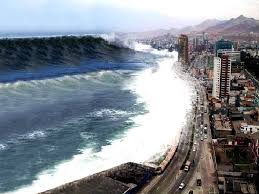
Read more at: http://phys.org/news/2013-02-extreme-weather-national-climate.html#jCp

Experts: Climate change to bring milder winter, more extreme weather to South Dakota in 2050
South Dakota in 2050 will have longer growing seasons, milder winters and more extreme weather events if national weather experts are correct in analyzing the effects of greenhouse gases on climate warming.
A draft report released earlier this month by the National Climate Assessment and Development Advisory Committee projects that at the current rate of greenhouse gas emissions, the average temperature in South Dakota will rise an additional 5 degrees Fahrenheit by 2050.
That comes as the National Oceanic and Atmospheric Administration reports that 2012 was the hottest year on record in the contiguous United States.

http://www.argusleader.com/article/20130201/UPDATES/130201019/Experts-Climate-change-bring-milder-winter-more-extreme-weather-state-2050
Monday, January 21, 2013
U.S. Drought Shrinks Slightly, NOAA Issues Gloomy Outlook
The national drought footprint shrank slightly this week, as heavy rains fell across the South, Southeast, Midwest and parts of the Mid-Atlantic states, and major snowfall blanketed parts of the Rocky Mountains and Northern Cascades, bringing relief to those regions. However, the hardest-hit drought region — the Great Plains — continued to experience drier-than-average conditions, with the drought continuing to hold on.
A new federal drought outlook issued on Thursday projects that the drought conditions are likely to remain entrenched through April, and that the drought may even worsen from the Plains to the Rockies and into the Southwest, along with another area of persistent and expanding drought in the Southeast, including southern Georgia and the Florida Panhandle.

Full Article- http://www.huffingtonpost.com/2013/01/18/us-drought-shrinks_n_2502716.html?utm_hp_ref=extreme-weather
Tornadoes Damage Midwest Towns, Residents Struggling To Recover
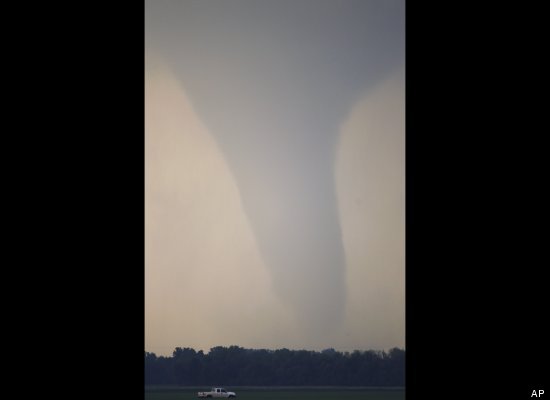
WOODWARD, Okla. — The television was tuned to forecasters' dire warnings of an impending storm when Greg Tomlyanobich heard a short burst from a tornado siren blare after midnight Sunday. Then silence. Then rumbling.
The 52-year-old quickly grabbed his wife and grandson, hurrying them into the emergency cellar as debris whirled around their heads at their mobile home park in northwest Oklahoma. They huddled inside with about 20 other people before the tornado – among dozens that swept across the nation's midsection during the weekend – roared across the ground above, ripping homes from their foundations.
"It scared the hell out of me," Tomlyanobich said.
The storm killed five people, including three children, and injured more than two dozen in Woodward, a town about 140 miles northwest of Oklahoma City. But it was the only tornado that caused fatalities. Many of the touchdowns raked harmlessly across isolated stretches of rural Kansas, and though communities there and in Iowa were hit, residents and officials credited days of urgent warnings from forecasters for saving lives.
Full Article- http://www.huffingtonpost.com/2012/04/15/tornadoes-midwest-damage_n_1426843.html?utm_hp_ref=extreme-weather#s870745
Subscribe to:
Posts (Atom)